
DISSERTATION
Disruptive Encounters in the Atlantic World, 1625–1789
ADVISORS
Dr. Betty Joseph and Dr. Tim Morton
SELECT PUBLICATIONS
—“Our Flag Means Death and Queer Pirates in the Eighteenth Century,” co-written and edited with Lilly Lu, Studies in Eighteenth-Century Culture 55 (Spring 2026).
—“Classroom Coffeehouse Debates: Interpreting 18th-Century Texts Through 21st-Century Media,” Journal of Eighteenth-Century Studies, guest ed. Rachel Bynoth and Declan Kavanagh (Fall/Winter 2025).
—“A History of the Graduate and Early Career Caucus at ASECS,” International Review of Eighteenth-Century Studies (Fall/Winter 2025).
—“The Sounds of Cetacean Revolution Through History,” European Journal of Literature, Culture, and Environment 15, 2 (Fall 2024): 68–86.
—“Climate Disaster, Ecoanxiety, and Frankenstein: Mount Tambora and Its Aftereffects,” Arcadia: Environment & Society Portal, no. 8. Rachel Carson Center for Environment and Society (Summer 2024).
—“Labouring Bodies: Work Animals and Hack Writers in Oliver Goldsmith’s Letters,” Letters and the Body, 1700-1830: Writing and Embodiment, Routledge Studies in Eighteenth-Century Cultures and Societies series (London: Routledge, 2023).
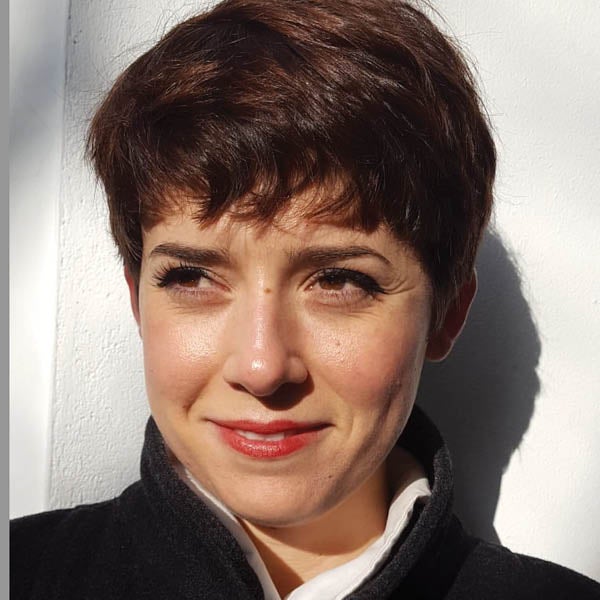
Nelson is currently writing a dissertation that examines how early modern literary and historical texts depict encounters between humans and marine life—sharks, whales, electric eels, and water-borne parasites—within the European empires’ broader geopolitical and epistemological frameworks. The project argues that literary representations of multispecies encounters illuminate early modern anxieties about the boundaries of the “human.” By analyzing overlooked authors—such as Edmund Waller, whose proto-environmental poetry sympathizes with cetaceans—Nelson reveals how these texts draw from emerging scientific discourses shaping public perceptions about race, geography, and empire.